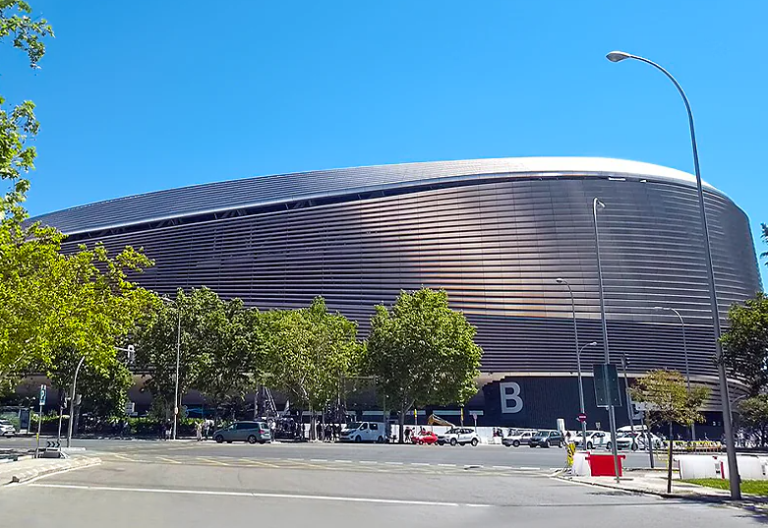
Modern sport and corporate identity have become inseparable. Nowhere is this relationship more visible – or more financially significant – than in stadium naming rights. The arena where champions are made now carries a brand name just as prominently as any jersey or billboard.
Dbbet understands this commercial dimension of sport intimately. Stadium branding represents one of the most powerful intersection points between athletic culture and business strategy – a space where long-term brand visibility meets the raw emotional intensity that only live sport can generate. For brands willing to invest seriously, the returns extend far beyond simple logo placement.
The stadiums themselves have become communication tools. Their names echo through broadcasts, social media, casual conversation, and historical records – creating a permanence that conventional advertising campaigns simply cannot achieve at any price point.
What Naming Rights Actually Mean
Stadium naming rights represent a formal commercial agreement between a sports venue and a corporate sponsor. The purchasing company gains the right to attach its brand name to the facility – typically for periods ranging from ten to thirty years.
These aren’t small transactions. Major deals regularly reach hundreds of millions of dollars across the contract term. The naming rights to SoFi Stadium in Los Angeles cost the financial services company approximately 625 million dollars over twenty years – a figure that illustrates exactly how seriously corporations take architectural branding as a long-term investment.
Beyond the financial scale, these agreements signal corporate ambition. Attaching your brand to a beloved sports venue communicates stability, cultural relevance, and community investment simultaneously.
The History Behind the Strategy 🏟️
Corporate stadium naming didn’t emerge overnight. The practice gained serious momentum in the 1990s as professional sports leagues recognized the commercial potential sitting literally in their architecture.
Candlestick Park became 3Com Park. Foxboro Stadium became CMGI Field. These early deals felt experimental – brands testing whether venue naming could deliver measurable returns. The results were convincing enough that within a decade, naming rights had transformed from novelty into standard practice across North American, European, and increasingly Asian sports markets.
Today, a stadium without corporate naming feels almost unusual in major leagues. The Emirates Stadium, Allianz Arena, and MetLife Stadium have become globally recognized landmarks where the brand name is as familiar as the teams playing inside.
What Is Not a Reason for Branding on Stadiums?
Understanding the genuine motivations behind stadium branding requires also identifying what actually doesn’t drive these decisions. So what is not a reason for branding on stadiums?
Pure charity isn’t a factor. While corporations sometimes frame naming deals in terms of community investment, the underlying logic is always commercial. Similarly, short-term promotional thinking rarely justifies the scale of investment involved – companies entering naming agreements are thinking in decades, not quarters.
Impulse or trend-following also doesn’t survive financial scrutiny at this level. Every major naming rights deal involves extensive market research, brand alignment analysis, and projected return modeling. These are strategic commitments made with careful deliberation, not reactive decisions chasing momentary visibility.
Brand Alignment: The Critical Variable
Not every brand benefits equally from stadium naming rights. Success depends heavily on alignment between corporate identity and the sporting culture surrounding the venue.
Financial institutions and telecommunications companies have historically dominated naming rights portfolios – sectors where mass visibility and trust-building directly translate into commercial outcomes. Insurance companies follow similar logic, understanding that brand familiarity significantly influences consumer decision-making in their category.
Technology companies are increasingly entering this space, recognizing that sports audiences represent precisely the engaged, aspirational demographic their products target. The naming rights to stadium naming rights agreements increasingly reflect broader shifts in which industries are prioritizing brand-building at scale.
The Fan Relationship: Acceptance and Resistance
Corporate naming doesn’t always receive warm welcomes from supporter communities. Fans who grew up with historically significant venue names sometimes resist rebranding with genuine emotional intensity.
Wembley Stadium retaining its original name despite commercial pressures reflects the reality that some venues carry cultural weight that makes aggressive rebranding commercially risky. The brand equity built into the original name can exceed what any sponsor brings to the relationship.
Smart corporate partners understand this dynamic. The most successful stadium branding strategies work with existing fan sentiment rather than against it – respecting heritage while gradually integrating commercial identity in ways that feel additive rather than intrusive.
Global Markets, Growing Opportunities 🌍
Stadium naming rights aren’t exclusively a Western phenomenon anymore. Asia, the Middle East, and South America are seeing rapid growth in venue branding activity as professional sports leagues mature and corporate appetite for sporting association expands.
In South Asia specifically, cricket stadiums represent potentially enormous naming rights opportunities. The Narendra Modi Stadium in India – the world’s largest cricket venue – exists within a market where corporate sports investment is accelerating dramatically.
Bangladesh’s developing sports infrastructure presents its own emerging opportunities. As facilities modernize and domestic leagues professionalize, stadium branding will inevitably become part of the commercial conversation surrounding sports development across the region.
Digital Amplification Changes Everything
Traditional naming rights value was calculated primarily through in-stadium attendance and broadcast exposure. Digital media has fundamentally expanded this equation.
Every social media post tagging a venue, every podcast mentioning a stadium name, every highlights package shared globally – all of these generate brand impressions that weren’t factored into original valuation models. A stadium name mentioned during a viral sporting moment reaches audiences that dwarf traditional broadcast numbers.
This digital amplification effect means stadium branding investments made today carry significantly greater reach than equivalent deals signed fifteen years ago. Brands entering naming agreements now are purchasing visibility in an environment where content distribution is essentially unlimited.
The Architecture of Brand Power
Stadium naming rights represent something genuinely unique in the marketing landscape. Unlike campaigns that run and expire, a named venue becomes a permanent fixture in the cultural geography of a city.
Generations of fans will reference that name. Journalists will write it thousands of times. Children will grow up knowing it as simply the place where sport happens. That depth of cultural embedding – achieved through architecture rather than advertising – represents brand power that no conventional marketing budget can replicate.
The stadiums standing today will carry their corporate names through decades of sporting history. For the brands wise enough to invest in that permanence, the returns compound quietly and continuously long after the signing ceremony is forgotten.