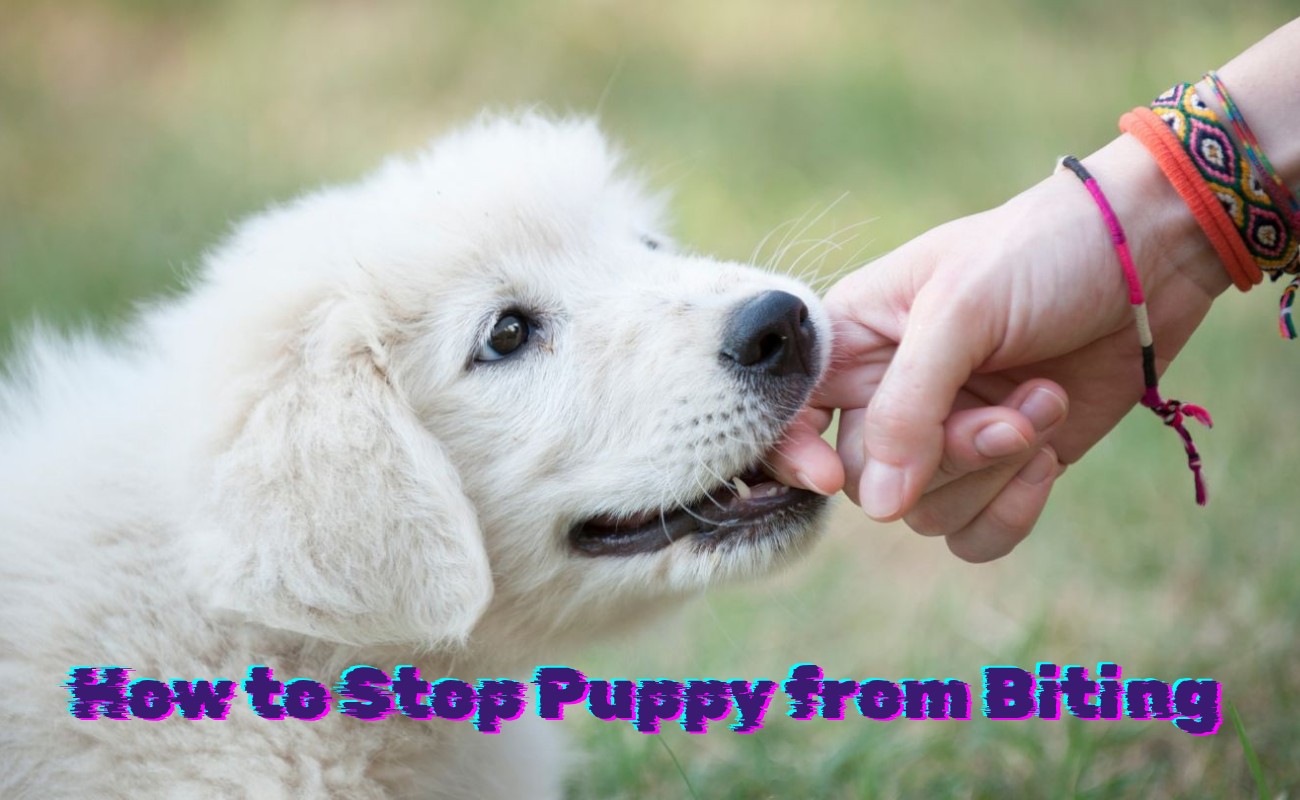
Biting by puppies can cause injury. They have very small teeth, and hands, sleeves and ankles are all fair game. The positive thing to remember is this is a normal part of life. Puppy mouthing to explore, play and soothe sore gums. To stop puppy biting, they say it is a calm and steady training process, not the punishment.
This booklet will discuss why puppies bite, how to teach puppy to make better choices and when to seek assistance. In time and with a basic program your puppy will come to understand that toys for chewing and people for being chewed on.
Why Do Puppies Bite?
There are many ‘normal’ reasons for puppies to bite. They are teething, exploring, playing or just over stimulated. Some are tired, hungry or don’t have a good chew toy. Puppies don’t know how to bite without hurting the other person. They learn it from us, so it has to be a calm and clear lesson.
Puppy Biting Is Not “Naughty”
Your puppy isn’t being spiteful, dominating or aggressive. Just like a cranky two-year-old, a puppy may bite more when he is exhausted. Increased exercise is not necessarily the answer. But sometimes your puppy only needs a nap, some quiet time or a calm chew.
Redirect Your Puppy to a Toy
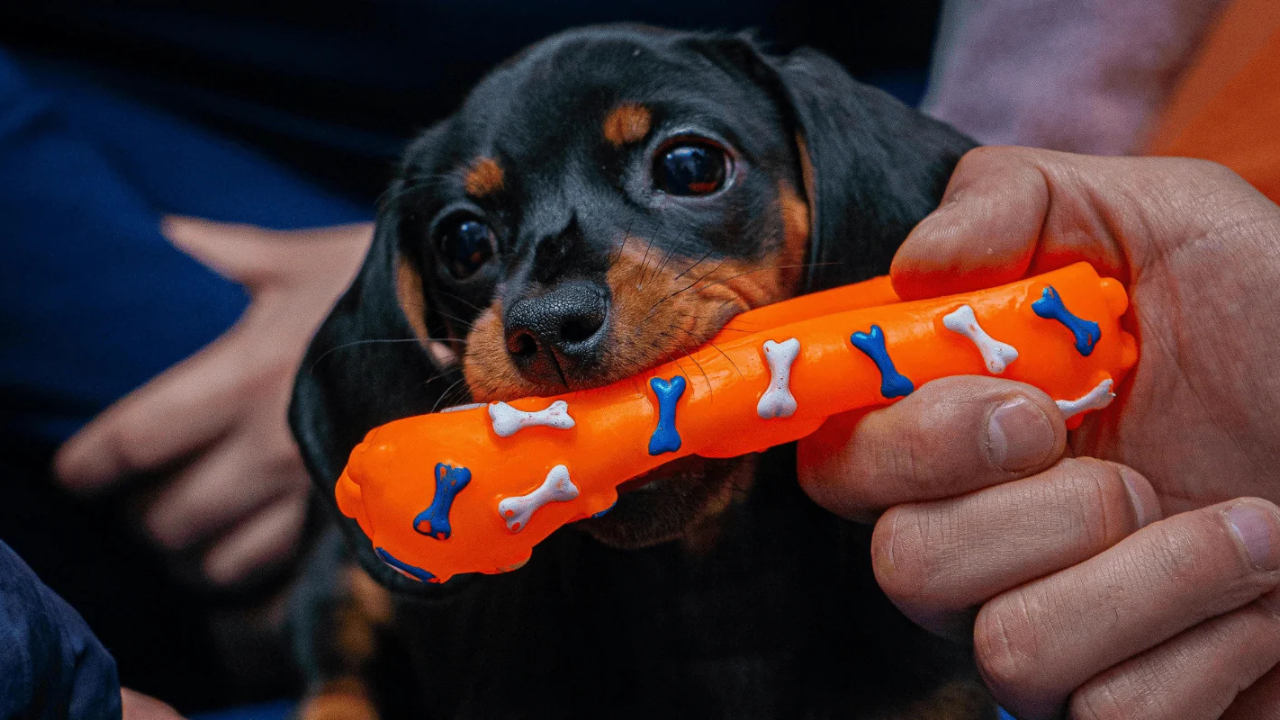
Redirection is the easiest method for teaching a puppy to stop biting. Have soft toys and safe chews on hand. If your puppy grabs your hand, slowly offer him a toy and touch it lightly. Give them positive feedback when they bite it. Do this early, before your puppy winds up!
Stop Moving Like Prey
If they’re moving quickly, it’s more fun for them to bite. It can be a game if they squeal, put hands on their mouth and/or pull away. Do, however, freeze and remain calm. When puppy releases, give him a toy or move away. The more quiet your puppy is, the faster he can learn.
Implement STFP (Short Time-Outs From Play)
If your puppy continues biting during play, stop playing for 20-60 seconds and move away from the puppy. Get up, turn away or go behind a baby gate. Avoid yelling and/or punishment. Repeat the process and again come back. Your puppy learns that playing nicely is fun too! Be consistent all the time.
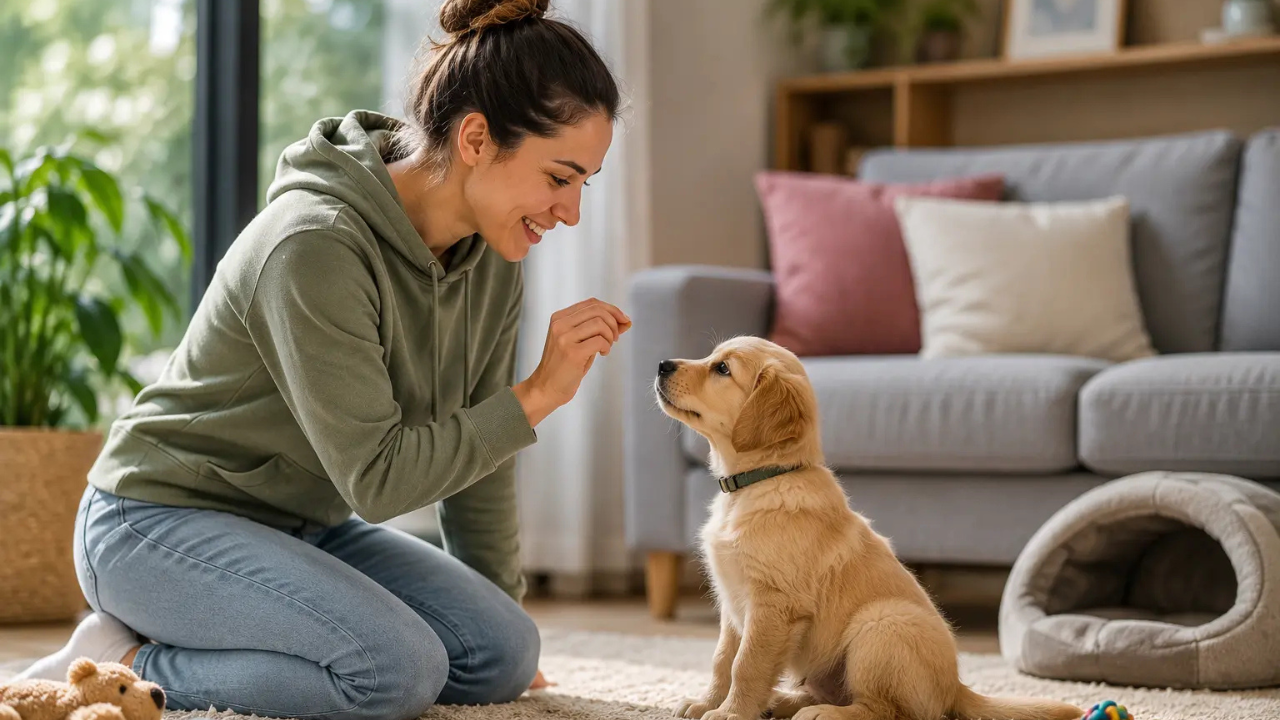
Reward Gentle Behaviour
Avoid treating only the bites, rather than the cause. Reward what you wish to occur. Reward your puppy if they lick rather than bite, pick up a toy gently, chew the appropriate toy or go lie on their bed. Puppies do what works for them.
Offer Safe Chewing Outlets
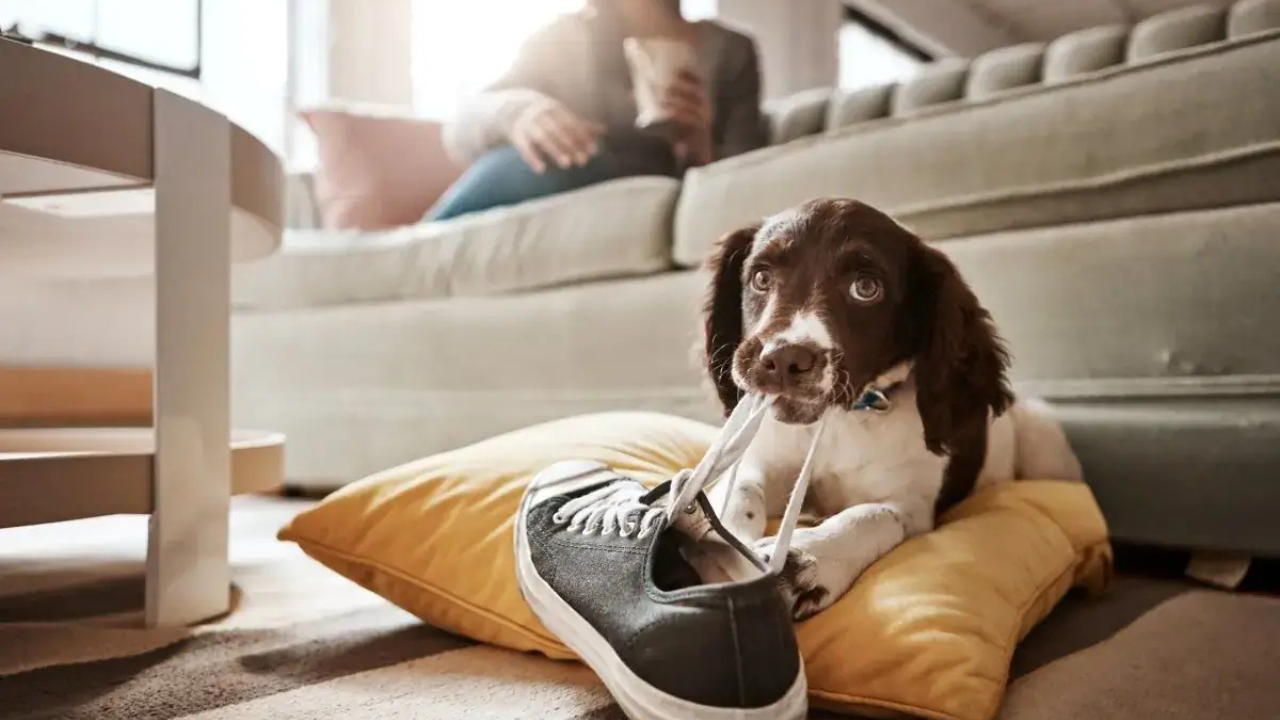
Puppies chew.Puppies chew. If there are no suitable alternatives, they will chew hands, shoes and furniture! Provide rubber toys, lick mats, food-stuffed toys and rope toys (under supervision). Turn them over to keep them fresh! Supervise your puppy when playing with new toys and take away any that are chewed up.
Plan the Evening Biting Session
It’s very common for puppies to get wild in the evening as they are tired and overstimulated. Please avoid rough play. Try a toilet break, a quiet chew, a lick mat and dimmer lights. Afterwards, put your puppy in a crate or puppy-safe room to rest. It’s important that puppies get plenty of rest.
Avoid Rough Hand Play
Hands as toys is confusing! If your puppy’s hands are sometimes fun to bite, he will learn that he can’t bite them later. Rather, play with toys, like tug and fetch. Explain to children that they should not run, squeal or wave their hands; and always supervise them.
Teach Simple Cues
Puppy training provides your puppy with a more effective form of communication with you. Sit, drop, leave it, take it, come and go to bed. Hand signals, rewards and consistent procedures are good ways for deaf puppies to learn. They must be bite trained just like any other puppy.
Avoid Harsh Punishment
Avoid chasing your puppy around, pinning your puppy, holding their mouth shut or yelling at your puppy. These practices may cause your puppy fear and hurt trust and contribute to increased biting. Puppies will learn more easily if they are feeling comfortable and understand what they are being rewarded for. Fear is not the best method of training, when training is done in a kind and steady manner.
When Puppy Biting Needs Extra Help
Most biting will improve with age and training. If your puppy bites hard and frequently, growls, snaps, guards the food and toys, is afraid, or hurts people, then seek assistance. Discuss with the veterinarian or a professional reward-based trainer. The sooner the help the better.
FAQs
1.When does puppy biting end?
By about 6 months of age most puppies stop heavy chewing with their puppy teeth. Training makes it happen quicker.
2.Does puppy biting mean that he is being aggressive?
Usually not. Most puppy biting is nips and paws and/or teething. Aggression is shown in different ways, for example by their posture becoming tense, growling or snapping.
3.What should I do when my puppy bites if I say “no” or “yelp”?
Some puppies bite very easily and may become overexcited and react loudly if bitten, which can lead to more biting. It works better to respond in a calmed manner. Wait, present a toy or stop playing for a while.
4.Why do puppies bite more at night?
Most bites are likely to happen at night, due to fatigue and excessive stimulation. Puppies require a considerable amount of rest. A quiet routine with a quiet chew, lick mat and rest in a safe place.
5.Is it possible to train deaf puppies to not bite?
Yes. A gentle bite training is required with deaf puppies just as it is for any other puppy. Use clear hand signals, reward and consistent routines.
Read More: Best Sunscreen for Oily Skin: A Complete Guide to Staying Protected Without the Grease