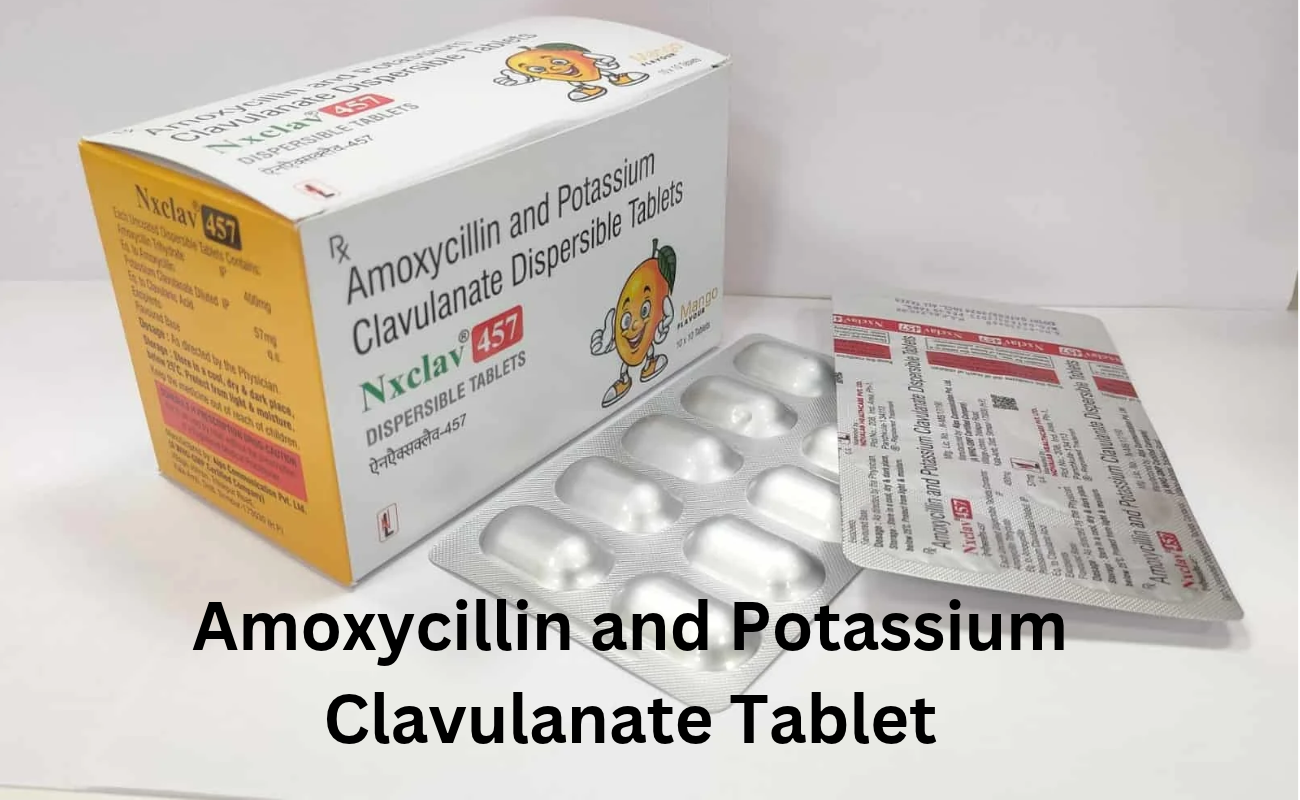
Amoxycillin and potassium clavulanate tablet is a combination antibiotic medicine that’s used to treat a bacterial infection. It is effective against bacterial infections like sinusitis, pneumonia, bronchitis, earache, UTI (urinary tract infection) and skin infections.
Amoxicillin is an antibiotic that kills bacteria and clavulanate stops some bacteria from resisting the antibiotic. It can’t be used with colds or flu viruses. This article details who should not take it, how to take it, its possible side effects and interaction with medicines.
What Is Amoxycillin and Potassium Clavulanate?
This medicine contains a mixture of antibiotics. Amoxicillin is a penicillin-type antibiotic that fights bacteria in the body. Clavulanate potassium is an antibiotic.Clavulanate potassium is an antibiotic that is a beta-lactamase inhibitor. Some bacteria are able to produce a drug that inactivates amoxicillin. Amoxicillin continues to work because clavulanate prevents it from being inactivated.
It is used in medicine to treat sinus infection, pneumonia, bronchitis, ear infection, urinary tract infection, and skin infection. It also treats tooth abscess. It is in a drug class known as penicillins/beta-lactamase inhibitors. One popular brand is Augmentin.
Warnings
Don’t take this medicine if you:
- Are severely ill with kidney disease or dialysis themselves
- Experienced liver symptoms or jaundice prior to use (on treatment)
- Have an allergy to any type of penicillin or cephalosporin antibiotic
It is available as regular tablets, chewable tablets and extended-release tablets. Never switch between them without the help of an automated solution. Only use the form and strength prescribed by your doctor as the wrong form or strength can be ineffective or dangerous.
This medication is excreted in breast milk and it may affect a nursing baby. It may also interfere with the effectiveness of birth control pills, so make sure to talk to your doctor about using condoms instead of birth control pills.
Before Taking This Medicine
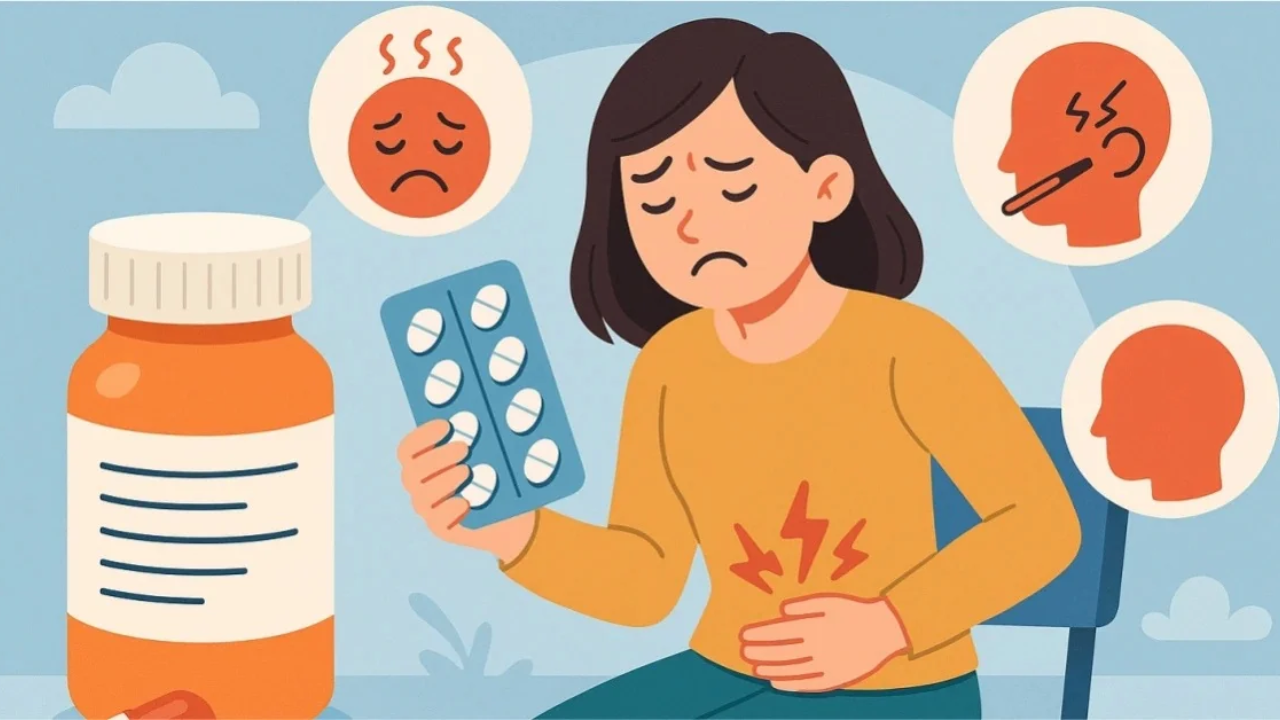
Let your doctor know if you have kidney disease, liver disease or mononucleosis. If you have a phenylketonuria (PKU) please mention this when taking the liquid and chewable as these may contain phenylalanine. Let your doctor know if you are pregnant or nursing. Never give this medicine to a child unless advised to do so by a doctor.
How Should I Take It?
Follow your doctor’s instructions for taking it and follow your label. It is usually taken every 8 or 12 hours. May be most effective when used at the beginning of a meal.
- Extended release tablets: Don’t crush or chew. Take them whole or break one in half and take each half separately.
- Chewable tablets: Take chewable tablets with a good chewing.
- Liquid: Shake the bottle before giving each dose. Use a dosing syringe or dosing tool, never a kitchen spoon to measure. Store in fridge and discard after 10 days.
Tablets should be kept at room temperature, out of heat and moisture. Do not stop the complete course because of feeling well. Forgetting to finish the treatment increases the chances of an infection being untreatable. Tell any doctor who is treating you that you are taking this medicine as it can interfere with certain medical tests.
What Happens If I Miss a Dose?
Administer with the first occurrence of the memory. If it’s close to the next scheduled dose, skip the missed dose. Never double up the doses.
What Happens If I Overdose?
Call 911 or 1-800-222-1222 (US) for emergency medical assistance or Poison Help. Overdose symptoms include nausea, vomiting, abdominal pain, rash, drowsiness, hyperactivity and decreased urination.
What to Avoid
Do not take this medicine with or immediately after a high fat meal as this will make the medicine less well absorbed. Diarrhea may be caused by antibiotics. Contact your doctor before taking any medicine to treat diarrhea if it is watery or bloody.

What Other Medicines Affect This Medicine?
Let your doctor know if you are taking any medications, particularly allopurinol, probenecid, or blood thinners (anticoagulants) like warfarin. Discuss vitamins and herbal remedies as well. This is not a complete list of all interactions, so please consult your pharmacist for the full list.
FAQs
1. Is this antibiotic used to treat a cold or flu?
No. It is effective only against bacteria. Viruses cause colds and flu and it will not help. Take antibiotics only if prescribed to you by your doctor.
2. Should I use with food?
May work best at the beginning of a meal. Do not take with or immediately after a high fat meal, as it will be more difficult for the body to absorb the medicine.
3. May I discontinue at that time if it is helping?
No. Complete the entire prescription your doctor gave you. Early cessation will allow some bacteria to survive, increasing the likelihood of developing a more difficult to treat infection.
4. Does it affect birth control pills?
Yes. It may cause birth control pills to be less effective. While you’re waiting, consult with your doctor about a non-hormonal solution like condoms, a diaphragm or spermicide.
5. Can I crush an amoxycillin and potassium clavulanate tablet?
Usually not. Unless directed by your healthcare provider, crushing should not be done unless necessary, since it may alter the way the drug is absorbed.
Read More: Difference Between Prokaryotic and Eukaryotic Cell with Examples