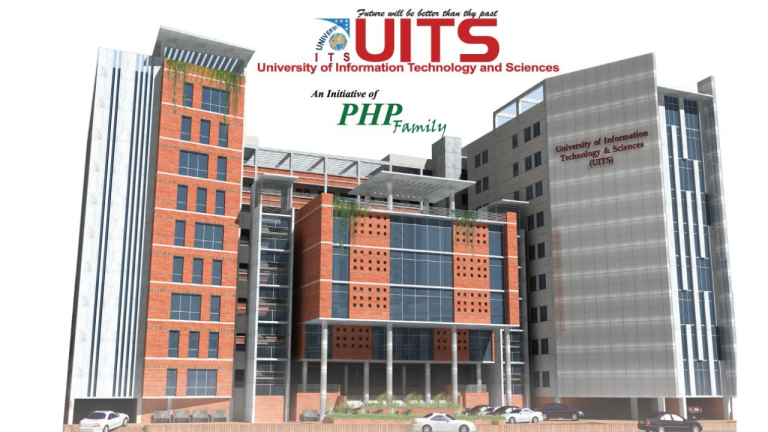
Tech moves fast. Blink and the tools change, the frameworks update, the job requirements shift. University Institutes of Technology, or UITs, have been popping up everywhere lately — India, Vietnam, Pakistan and parts of Europe. Some are genuinely excellent with a tight curriculum and active labs. Others are just riding the acronym wave. Telling the difference takes work, but picking the right school matters more than ever.
This guide is for anyone at that crossroads — students, parents, working professionals looking to pivot. We’ll cover what UITs actually teach, how they compare to regular colleges, and how to get in without losing your mind.
UITs vs. Regular Colleges: What’s the Real Difference?
Traditional colleges cast a wide net. They teach literature, philosophy, history — the whole buffet. UITs don’t do that. They zero in on engineering, software, biotech, and other technical fields. That’s it.
The labs are usually newer. The industry partnerships are tighter. And the curriculum? It changes when the job market changes, not when a textbook committee finally gets around to it. Students spend less time in lecture halls and more time actually building stuff. Employers seem to like that.
Does this mean traditional colleges are useless? No. They still produce well-rounded thinkers. But if you want to write code or design circuits on day one of your job, a UIT gets you closer. It’s a trade-off. Breadth versus depth. You pick what fits your head.
What Programs Do They Actually Offer?
It depends on the school, obviously. But most UITs cover the heavy hitters:
Engineering: mechanical, electrical, civil, sometimes aerospace. Heavy on the math. Heavy on the projects. You’ll probably break something in a lab and fix it. That’s the point.
Software: not just coding. Architecture, project management and the messy parts of shipping real products. Git commits at 2 AM. Debugging sessions that last days. The real stuff.

Biotech: genetics, bioinformatics, medical device design. Growing fast. If you want to work where tech meets medicine, this is your lane.
Urban planning and data science: newer additions, but solid. Cities generate insane amounts of data now. Someone has to make sense of it.
The common thread? Everything ties back to practical skills. Theory shows up, but it serves the work, not the other way around.
Read Also: Iosmirror.cc App For Simply Screen Sharing Between iOS & Android
Do UIT Graduates Actually Succeed?
Yes, though the “famous alumni” lists are usually shorter than what you’d find at old-name universities. That said, UIT grads tend to land jobs faster in technical roles. Startups hire them. Mid-size tech firms hire them. Big companies with specific skill gaps hire them too.
Some go the entrepreneurship route. Others pivot into research. A few end up teaching. The path is narrower than a liberal arts degree, but for people who know what they want, that focus pays off. You won’t have as many “what do I do now?” moments. The roadmap is clearer.
Rankings and Reputation: Should You Care?
Sure, to a point. Top-ranked UITs — think MIT, Caltech, or strong regional players in Europe and Asia — open doors. Their research funding is massive. Their names carry weight. Recruiters recognize them instantly.
But here’s the thing: plenty of lesser-known UITs produce excellent engineers. If the program has solid lab access, active industry ties, and professors who still work in the field, the ranking matters less than you’d think. Employers know this. They care more about what you can build than where you learned to build it.
Don’t go into debt for a name. Go where you’ll actually learn.
How to Actually Get In
The process varies by country and school, but the bones are usually the same:
Do your homework. Not all UITs are equal. Some lean hard into software. Others are still catching up. Check recent graduate outcomes, not just the brochure. Talk to current students if you can.
Get your paperwork straight. Transcripts, letters, a personal statement that doesn’t sound like everyone else’s. Be specific about why this program. Generic essays get generic results.
Prep for the tests. SAT, GRE, subject exams — whatever they want, take it seriously. Scores still filter people out. Don’t let a bad test day close a door.
Show your work. Portfolios, GitHub repos, project documentation. If you can demonstrate skill, do it. Words are cheap. Running code or a working prototype speaks louder.
Hit the deadline. Sounds obvious. People miss it anyway. Set reminders. Submit early if possible.
Where Is This All Headed?
UITs aren’t going anywhere. If anything, they’re becoming more central to how countries build tech workforces. Research happening at these institutes feeds directly into AI, clean energy, and medical tech. The pipeline from campus lab to real-world product is shortening. Sometimes a student project becomes a startup within months.
For students, that means the skills you learn today might be obsolete in five years. But the method of learning — how to adapt, how to build, how to solve problems when the manual doesn’t exist — that’s what sticks. You learn to learn. That doesn’t expire.
Final Word
UITs offer a focused, practical route into technical careers. They’re not for everyone. If you want to study poetry or spend four years exploring broadly, go elsewhere. Nothing wrong with that path. It’s just different.
But if you know you want to build things, fix things, or invent things, a UIT gets you started faster. Less fluff. More doing. Apply carefully. Pick the right program. And don’t get too hung up on prestige — the work you produce matters more than the name on your diploma. In tech, your GitHub profile often says more than your degree anyway.
Read More: Who Is David Borhaz? Life and Work Explained